Source organic vitamin c facial mask for skin care, anti-aging, and brightening
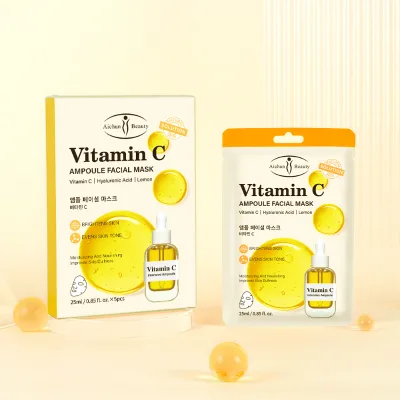
Find 30 verified listings for organic vitamin c facial mask with features like moisturizing, firming, and whitening. Buyers can compare certifications, ingredients, and MOQs from suppliers in Guangdong, China to find the right product for their business needs.
Key considerations
Products List






Comprehensive Sourcing Guide
Organic Vitamin C Facial Mask Sourcing Guide
Sourcing organic vitamin C facial masks requires a nuanced understanding of ingredient stability, formulation complexity, and regulatory compliance. Vitamin C, particularly in its active forms like L-ascorbic acid, is notoriously unstable and prone to oxidation, which can compromise the efficacy and shelf life of the final product. Buyers must prioritize suppliers who demonstrate expertise in encapsulation technologies or stabilized derivatives to ensure the active ingredient remains potent until application. The term "organic" also implies a rigorous supply chain for raw materials, necessitating verification of agricultural standards and processing methods that avoid synthetic pesticides or fertilizers.
This guide focuses on the practical aspects of procurement, drawing from observed market signals and technical requirements. It addresses the critical decision points for buyers, including material selection, certification verification, and commercial terms. By adhering to evidence-based sourcing strategies, procurement teams can mitigate risks associated with product inconsistency, regulatory non-compliance, and supply chain disruptions. The following sections provide a structured approach to evaluating potential suppliers and ensuring that the final product meets both quality standards and market expectations.
Product Scope and Observed Listing Signals
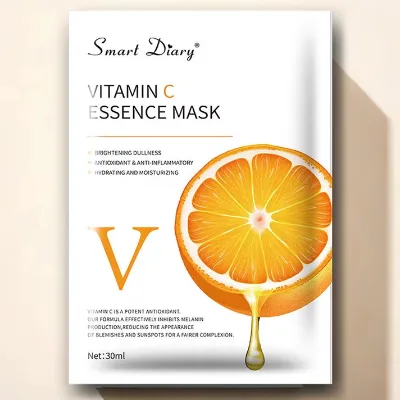
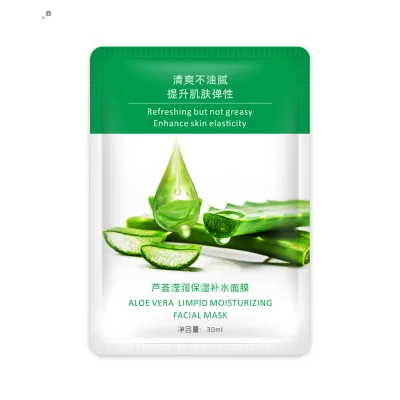
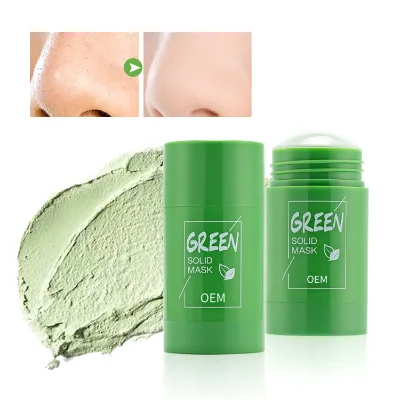
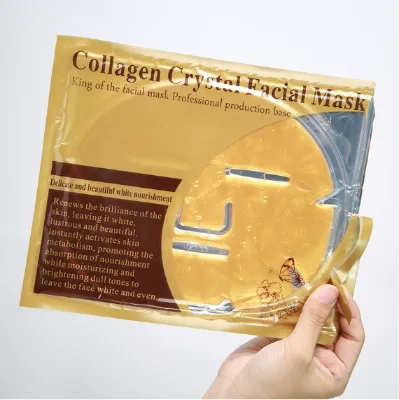
The current market landscape for facial masks reveals a diverse range of formulations, with significant variation in base materials and active ingredients. Observed listings indicate that products are available in multiple forms, including mud masks, sheet masks, and cream-based applications. Materials range from traditional cotton to advanced biological fibers, each offering distinct benefits in terms of fit, absorption, and skin compatibility. The presence of customization options suggests that many manufacturers are equipped to handle OEM/ODM requests, allowing buyers to tailor products to specific brand identities and consumer preferences.
Key ingredients frequently highlighted in these listings include Aloe Vera, Hyaluronic Acid, Shea Butter, and Green Tea, alongside Vitamin C. This combination suggests a market trend toward multi-functional products that address hydration, anti-aging, and brightening simultaneously. Buyers should note that while Vitamin C is a core keyword, it is often part of a broader ingredient matrix. The observed price range of $0.04 to $4.50 USD reflects this diversity, with lower prices typically associated with simpler formulations or higher volume orders, while premium pricing may correlate with specialized packaging, higher concentrations of active ingredients, or organic certifications.
Technical Specifications to Verify
Verifying technical specifications is crucial to ensuring that the product performs as expected and meets regulatory requirements. Buyers should request detailed specifications for the mask substrate, including material composition, thickness, and size dimensions. For instance, observed standards include specific dimensions such as 8102.5 cm for certain models, while others may be defined by weight, such as 200g or 100ml for liquid-based masks. Understanding these physical attributes is essential for logistics planning, packaging design, and consumer experience. Additionally, the shelf life of the product, often cited as three years, should be confirmed under various storage conditions to ensure stability.
The formulation of the mask itself requires careful scrutiny, particularly regarding the concentration and form of Vitamin C used. Buyers should verify whether the product uses pure L-ascorbic acid or more stable derivatives, as this impacts both efficacy and potential for skin irritation. Other key ingredients like Collagen, Glycerin, and Pearl extract should be listed with their respective percentages or roles in the formula. Packaging specifications, such as carton dimensions and individual unit packaging, are also critical for inventory management and retail display. Ensuring that these details are clearly documented in the product specification sheet helps prevent misunderstandings and ensures that the final product aligns with the buyer’s requirements.
Compliance and Safety Documentation
Compliance with international standards is non-negotiable for facial masks, especially those marketed with health and beauty claims. Buyers must verify that suppliers hold relevant certifications such as CE, FDA, GMP, and MSDS. These certifications indicate that the manufacturing facility adheres to good manufacturing practices, ensuring product safety and consistency. The presence of MSDS (Material Safety Data Sheet) is particularly important for understanding the chemical composition and handling requirements of the product. Additionally, certifications like EEC and BSCI may be relevant depending on the target market, indicating compliance with European regulations and social responsibility standards.
Beyond certifications, buyers should request detailed ingredient lists and safety assessments for each component used in the mask. This includes verifying that all ingredients are approved for cosmetic use in the destination country. For products claiming organic status, buyers should seek out specific organic certifications from recognized bodies, as the term "organic" is not universally regulated. Furthermore, understanding the regulatory landscape for cosmetic products in the target market is essential. Buyers should consult with local regulatory experts to ensure that the product labeling, claims, and ingredient restrictions comply with local laws, avoiding potential legal issues and market entry barriers.
Cost Drivers and Commercial Terms
Understanding the factors that influence pricing is essential for effective budgeting and negotiation. The observed MOQ (Minimum Order Quantity) ranges from 1 to 20,000 pieces, indicating flexibility for both small-scale startups and large-volume buyers. Higher MOQs typically result in lower unit prices, but buyers must balance this with inventory holding costs and market demand forecasts. The availability of free samples is a common practice, allowing buyers to evaluate product quality before committing to large orders. However, buyers should clarify whether shipping costs for samples are covered or if they are the responsibility of the buyer.
Commercial terms such as payment methods, lead times, and shipping arrangements also play a significant role in the total cost of ownership. Buyers should negotiate clear terms regarding production lead times, especially during peak seasons, to avoid delays. Additionally, understanding the supplier’s return and refund policies for defective products is crucial. Buyers should also consider the cost of customization, such as private labeling or custom packaging, which may incur additional fees. Transparent communication about all potential costs, including tariffs and duties, helps in creating an accurate total cost model and prevents unexpected expenses.
Supplier Qualification and Quality Control
Supplier qualification is a critical step in mitigating supply chain risks. Buyers should conduct thorough due diligence on potential suppliers, including site visits or third-party audits to verify manufacturing capabilities and quality control processes. Suppliers with a long history in the industry, such as those claiming 15 years of experience, may offer more stability and expertise. However, buyers should verify these claims and assess the supplier’s current operational capacity and financial health. Understanding the supplier’s supply chain for raw materials, particularly for organic ingredients, is also important to ensure consistency and ethical sourcing.
Quality control measures should be clearly defined and agreed upon before production begins. This includes establishing acceptance criteria for raw materials, in-process checks, and final product inspections. Buyers should request detailed quality control reports and test results for key parameters such as microbial limits, heavy metal content, and active ingredient concentration. Implementing a robust quality assurance system, including regular audits and performance reviews, helps maintain product quality over time. Additionally, establishing a clear communication channel for addressing quality issues ensures that problems are resolved promptly and effectively.
Long-Term Procurement Checks
Long-term procurement success depends on continuous monitoring and relationship management. Buyers should establish key performance indicators (KPIs) to track supplier performance, including on-time delivery rates, product quality metrics, and responsiveness to issues. Regular reviews of these KPIs help identify areas for improvement and ensure that the supplier continues to meet expectations. Building a strong partnership with the supplier can lead to better pricing, priority production, and collaborative innovation. Buyers should also stay informed about industry trends and regulatory changes that may impact the product or supply chain.
As the market evolves, buyers should periodically reassess their supplier base to ensure they are leveraging the best available options. This may involve exploring new suppliers with innovative technologies or more competitive pricing. However, switching suppliers should be done carefully to avoid disruptions in supply and quality. Buyers should also consider the sustainability of their supply chain, evaluating suppliers’ environmental practices and social responsibility initiatives. By maintaining a proactive approach to supplier management, buyers can ensure a resilient and efficient procurement process that supports their business goals.
FAQs
What certifications do the organic vitamin c facial masks have?
The products hold CE, FDA, GMP, and MSDS certifications. These documents verify compliance with safety and quality standards for international trade, ensuring the masks meet regulatory requirements for export markets.
Can I request custom packaging for these facial masks?
Yes, customization is available for product packaging according to customer requirements. Buyers can specify carton or other packing styles to align with their brand identity and logistical needs without additional constraints.
What is the minimum order quantity for these masks?
The minimum order quantity ranges from 1 to 20,000 pieces depending on the specific product model. Some items like the biological fiber mask require 1,000 pieces, while others allow smaller trial orders.
Which main ingredients are used in these vitamin c masks?
Key ingredients include Vitamin C, Hyaluronic Acid, Aloe Vera, and Shea Butter. These components provide moisturizing, anti-wrinkle, and lightening benefits suitable for normal and all skin types.
Where are these facial masks manufactured?
The products originate from Guangdong, China. This location supports efficient manufacturing and logistics, with many suppliers offering OEM and ODM services for global clients.
How long is the shelf life of these masks?
The shelf life is typically three years from the date of manufacture. This duration ensures product stability and efficacy when stored under recommended conditions before use.